
Header Logo
Kitten Nutrition Tips for Growth and Development
Raising Healthy Kittens in Ellicott City, MD
Nothing delights our team at Claws N Paws Animal Hospital, your Ellicott City, MD animal clinic, more than seeing families welcome a new kitten. We love adding adorable tiny furballs to our client roster! Along with cuddles and playtime, one of the most important responsibilities you have in that crucial first year is providing the right nutrition. A healthy diet helps kittens develop strong bones, healthy muscles, sharp eyesight, and plenty of playful energy.
Unlike adult cats, kittens have rapidly growing bodies that require more protein, fat, and essential nutrients. Meeting these needs ensures your feline pal can explore, climb, and grow with confidence. By learning how to feed them properly during their first year, you’re building the foundation for a lifetime of health.
Why Kitten Nutrition Is Different
Kittens have different nutritional needs than adult cats. During the first year, their bodies are building muscle, bone, and organ systems at a rapid pace. This means they require more calories, protein, and certain vitamins and minerals to keep up with their growth.
Key Nutrients for Growing Kittens
- Protein: Supports muscle development and overall growth.
- Fat: Provides energy and helps absorb fat-soluble vitamins.
- Calcium and Phosphorus: Essential for strong bones and teeth.
- Taurine: An amino acid vital for heart and eye health.
- DHA: Supports brain and vision development.
Feeding Stages by Age
0–4 Months: Rapid Growth
At this stage, kittens are growing quickly and need multiple small meals daily. High-protein kitten food is essential for healthy development.
4–8 Months: Continued Growth
Kittens are still growing, though not as quickly as before. They need balanced nutrition to support muscle and bone strength. Feeding 3 meals per day is ideal.
8–12 Months: Transition to Adulthood
Most kittens approach their adult size by this stage. Owners can begin transitioning to 2 meals a day while continuing a diet formulated for kittens until about 12 months of age.
How Often Should Kittens Eat?
Young kittens have small stomachs but high energy needs, so they require multiple small meals a day.
- Under 6 months: Feed 3–4 times daily.
- 6–12 months: Transition to 2 meals daily.
Consistent feeding schedules help regulate digestion and energy levels. Your kitten may have a different opinion on this, and may meow for more food. Don’t let that cute face cajole you into overfeeding your pet: that’s why so many kitties are overweight. Read our past blog on why cats meow here.
Choosing the Right Food
Look for high-quality commercial kitten food that meets AAFCO (Association of American Feed Control Officials) standards. These diets are specifically formulated to provide the nutrients growing kittens need. Avoid feeding a homemade diet unless directed by your veterinarian, as it may lack essential nutrients.
Wet vs. Dry Food for Kittens
Both wet and dry kitten food have benefits.
- Wet food: Adds moisture to the diet, supports hydration, and is often more palatable.
- Dry food: Helps with dental health and can be more convenient for free-feeding.
Many owners choose a mix of both to provide balance and variety.
Transitioning From Mother’s Milk
Kittens start getting weaned at about 4 weeks of age and are usually fully weaned by 8–10 weeks. At this point, they should be eating a diet specifically formulated for kittens. You’ll also need to provide fresh water as they make the transition from milk to solid food.
Hydration for Kittens
Proper hydration is just as important as food. Cats often don’t drink enough water, so encouraging fluid intake is vital. Tips include:
- Offering wet food for extra moisture.
- Providing multiple water bowls around the house.
- Using a pet fountain, as many cats prefer running water.
- Adding a splash of kitten-safe broth to water for picky drinkers.
Portion Sizes and Feeding Routines
Your veterinarian can recommend portion sizes based on your kitten’s age and weight. Overfeeding can lead to obesity, while underfeeding may slow growth. Creating a routine helps your kitty feel secure and reduces overeating.
Common Feeding Mistakes
- Feeding adult cat food too early, which lacks the nutrients kittens require.
- Offering too many treats, which can unbalance their diet.
- Free-feeding without portion control, leading to overeating.
- Sudden food changes that upset digestion.
Long-Term Health Benefits of Proper Nutrition
Feeding your kitten correctly during that adorable first year sets the stage for lifelong health. Proper nutrition supports strong bones, a resilient immune system, and a healthy weight. Cats that receive balanced diets as kittens are less likely to develop obesity, dental disease, or other chronic conditions later in life.
Fun Fact: Kitten Growth
Did you know kittens typically double their weight in the first week of life? Their growth rate is one of the fastest in the animal kingdom.
You can read more helpful information about kitten care at the Royal Society For The Prevention Of Cruetly To Animals website here. PetMD is another great resource for info on kitten care. You can read their article on kitten socialization here.
FAQ
When should I switch my kitten to adult cat food?
Most cats can transition to adult food at about 12 months old. Larger breeds may need kitten food a little longer.
Can I give my kitten cow’s milk?
No. Many cats are lactose intolerant, and cow’s milk can cause diarrhea and stomach upset.
How much water should my kitten drink?
Cats naturally drink sparingly, so feeding wet food and always providing fresh water ensures proper hydration.
Should I feed my kitten supplements?
Generally, no. High-quality kitten food provides all the nutrients they need. Supplements should only be given under veterinary guidance.
What if my kitten is a picky eater?
Try offering a mix of wet and dry foods, warming food slightly, or adding a small amount of kitten-safe broth.
Is free-feeding good for kittens?
Free-feeding can work for some, but it often leads to overeating. Scheduled meals with portion control are usually better. Ask your vet for recommendations.
How can I tell if my kitten is underweight?
You should be able to feel, but not see, your kitten’s ribs. A vet check can confirm healthy weight and growth.
Can I give my kitten human food?
Human food is not balanced for kittens and may be unsafe. Stick to kitten-specific diets recommended by your veterinarian.
How often should kittens see a veterinarian for nutrition checks?
During their first year, kittens should visit the vet several times for vaccines and wellness checks. Nutrition is always part of these visits.
Visit Our Ellicott City, MD Veterinary Clinic for Kitten Care
Are you searching for a “vet near me” to guide you on your kitten’s nutrition? At Claws N Paws Animal Hospital, our veterinarians in Ellicott City, MD provide expert advice on feeding, wellness, and growth. Call our veterinary clinic today to schedule your kitten’s first visit and get them started on the right paw.
This blog is for informational purposes only. Always consult your veterinarian for specific recommendations for your kitten’s diet and health.
Click here to visit our Service page, and learn more about our clinic and the animals we treat.

Preventing and Managing Hairballs in Cats

Puppy Training Basics for a Well-Behaved Dog
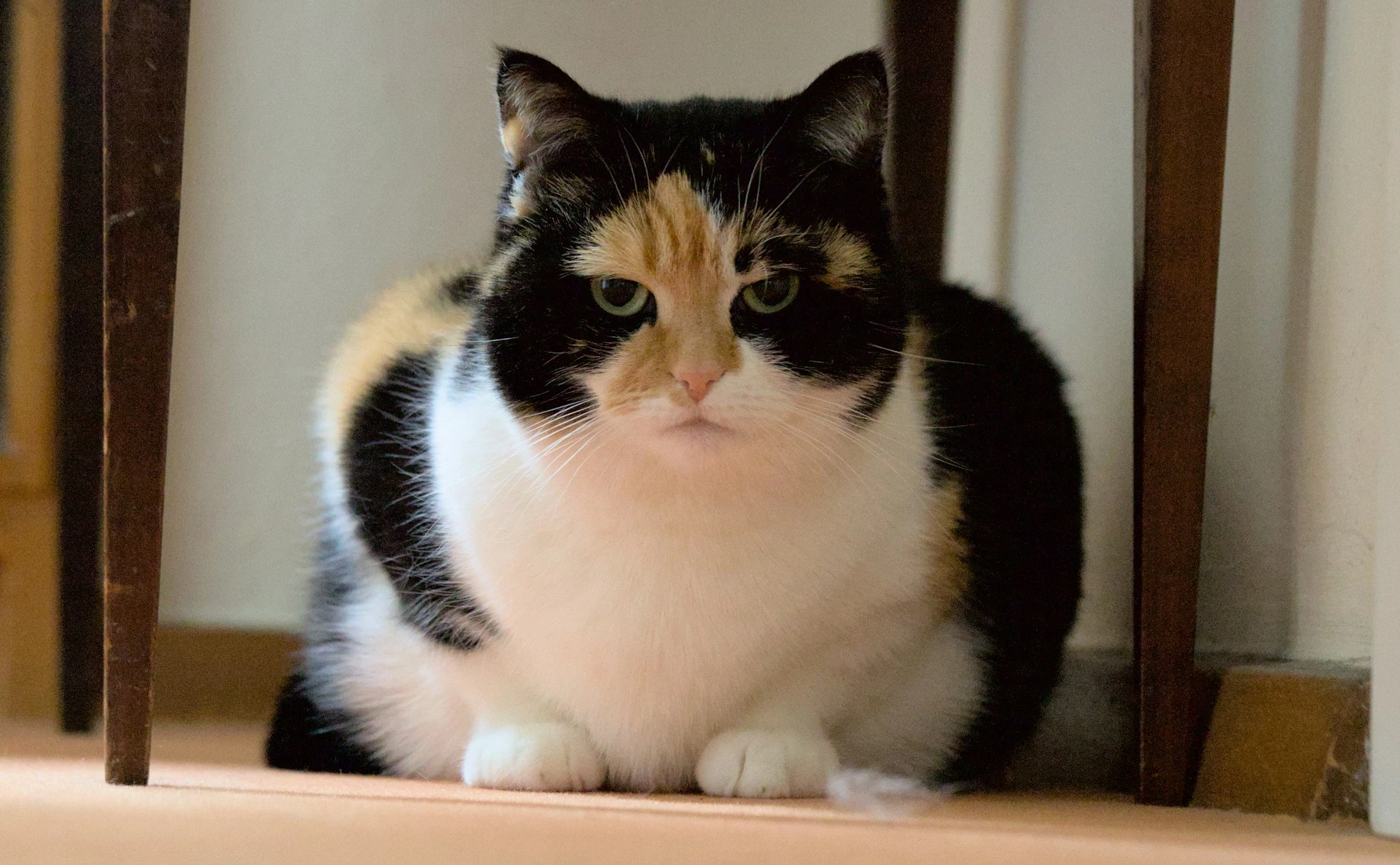
Feline Obesity Risks and How to Keep Cats Healthy

Dental Care for Puppies: Start Healthy Habits Early

Why Indoor Cats Still Need Vaccinations

Solving Common Litter Box Problems in Cats

Understanding Arthritis and Mobility Loss in Dogs

Kitten Nutrition Tips for Growth and Development

How to Curb Jumping Up in Overexcited Puppies

!Social Icons