
Header Logo
Why Cats Meow and What They’re Trying to Tell You
Understanding Cat Meows in Ellicott City, MD
Have you ever wondered about what your kitty is saying when she meows at you? Many cat owners wonder what their feline friends are trying to say. At Claws N Paws Animal Hospital, our veterinarians frequently get earfuls from our feline patients, many of whom would rather be napping than visiting us. For families in Ellicott City, MD, understanding why cats meow can make life with Fluffy even more rewarding. Meowing is one of the primary ways cats communicate with humans, and every sound carries a message.
While dogs rely heavily on body language, cats use a mix of vocalizations, posture, and behavior. Meows may signal hunger, affection, discomfort, or even boredom. By paying attention to the context and tone of your kitty’s meows, you’ll better understand their needs and strengthen your bond.
Why Cats Meow
Cats don’t typically meow to each other—this behavior is largely reserved for communicating with people. Some of the most common reasons include:
Hunger or Food Requests
Cats quickly learn that a meow often results in a meal. Persistent meowing near feeding time is usually a plea (or demand) for food.
Greeting or Attention-Seeking
Many cats greet their owners at the door with a cheerful chirp or meow. Others meow when they want to be petted or played with.
Stress or Anxiety
A sudden change in the household, such as moving furniture or adding a new pet, may trigger increased vocalizations.
Discomfort or Pain
If your kitty suddenly starts meowing excessively, it could signal stress, illness, or pain. Conditions such as hyperthyroidism or urinary tract infections often cause increased vocalization.
Aging Changes
Senior cats sometimes develop cognitive changes that make them more vocal, especially at night.
Types of Cat Meows and What They Mean
Cats use different sounds to get their point across. Some examples include:
- Short meow: A simple greeting or acknowledgement.
- Multiple meows: Excitement or eagerness, often before feeding.
- Long, drawn-out meow: A strong demand for something specific.
- Low-pitched meow: Frustration or complaint.
- Loud, urgent meow: Pain or distress, which requires a vet visit.
- Chirps and trills: Friendly greetings or signals to follow.
- Yowls: Often related to mating behaviors, territory, or distress.
Our veterinarians in Ellicott City, MD encourage pet parents to note any sudden changes in the frequency or tone of their cat’s meows. Chewy has an article on kitty vocalizations here. The ASPCA also covers meows in this article.
Kittens vs. Adult Cats: Different Vocalizations
Kittens often meow more than adults, usually to communicate with their mothers. They meow when they are hungry, cold, or need comfort. As cats grow, they generally meow less to each other and more to their humans. Adult cats often develop unique “dialects” with their families, meaning your feline pal may have special meows that only you recognize.
This isn’t the first time we’ve covered kitten care—click here for our prior blog on kitten nutrition.
How Veterinarians Help Decode Meows
At our veterinary clinic, we often investigate meowing that seems unusual. A full exam helps rule out medical issues, while a discussion of your cat’s environment may reveal behavioral triggers. Understanding whether your feline pal is meowing from hunger, stress, or discomfort guides us toward the right solution.
Helping Cats That Meow Excessively
If your kitty’s meowing becomes overwhelming, here are some helpful strategies:
- Feed on a consistent schedule so Fluffy knows when meals are coming.
- Provide toys, climbing spaces, and scratching posts for stimulation.
- Spend dedicated playtime each day to reduce boredom.
- Keep litter boxes clean, as discomfort can trigger complaints.
- Visit our animal hospital to rule out health conditions.
Consistency is key. Responding the same way each time helps your feline friend learn which meows bring positive attention and which do not.
When to See a Veterinarian
Excessive meowing is not always behavioral—it may signal a medical issue. Schedule a veterinary appointment if you notice:
- Sudden changes in vocalization patterns
- Loud, urgent meowing paired with hiding or pain behaviors
- Nighttime yowling in senior cats that may indicate cognitive changes
- Excessive thirst, hunger, or weight loss along with vocalizations
Our veterinarians in Ellicott City, MD are trained to look for underlying health issues that might explain unusual meowing.
Strengthening Communication With Your Cat
Bonding with your feline companion involves more than food and toys. Talking back to your cat, mimicking their tones, and using consistent cues help them understand you, too. Many owners find that their cats adjust meows to fit their person’s responses, creating a unique “language” between human and pet.
Fun Fact: Cats and Humans
Did you know cats developed meowing primarily to interact with humans? Adult cats rarely meow to each other. This makes your kitty’s voice truly meant for you!
FAQ
Is it normal for cats to meow at night?
Yes, but excessive nighttime meowing may indicate hunger, anxiety, or medical issues.
Can too much meowing mean my cat is sick?
Yes. Increased vocalization can be a sign of illness, so it’s best to schedule a veterinary exam.
Do different cat breeds meow more?
Absolutely. Breeds like Siamese and Oriental Shorthairs are known for being especially talkative.
Should I ignore my cat’s meowing?
It depends. If your cat is healthy and safe, ignoring attention-seeking meows can reduce them over time. But always check for medical issues first.
Why does my cat meow when I come home?
This is a greeting behavior and a sign of affection. Your kitty is happy to see you.
Why is my senior cat meowing more at night?
Older cats may experience cognitive decline or anxiety, leading to nighttime vocalization. A vet exam can help rule out medical causes.
Can kittens be trained not to meow so much?
No. Consistent feeding and comfort routines help reduce excessive crying, but some kitties are just naturally more talkative than others.
How can I tell if my cat’s meow signals pain?
Pain meows are often louder, longer, and more urgent. They may be accompanied by changes in posture, hiding, or reduced appetite.
Visit Our Ellicott City, MD Veterinary Clinic for Cat Behavior Help
Are you searching for a “vet near me” in Ellicott City, MD to help with your cat’s vocal behavior? At Claws N Paws Animal Hospital, we are here to support feline health and communication. Whether Fluffy is meowing for attention or signaling discomfort, our veterinary clinic is ready to help. Call today to schedule an appointment.
Click here to visit our Service page, and learn more about our clinic and the animals we treat.
This article is intended for informational purposes only. Always consult your veterinarian for personalized medical advice for your cat.
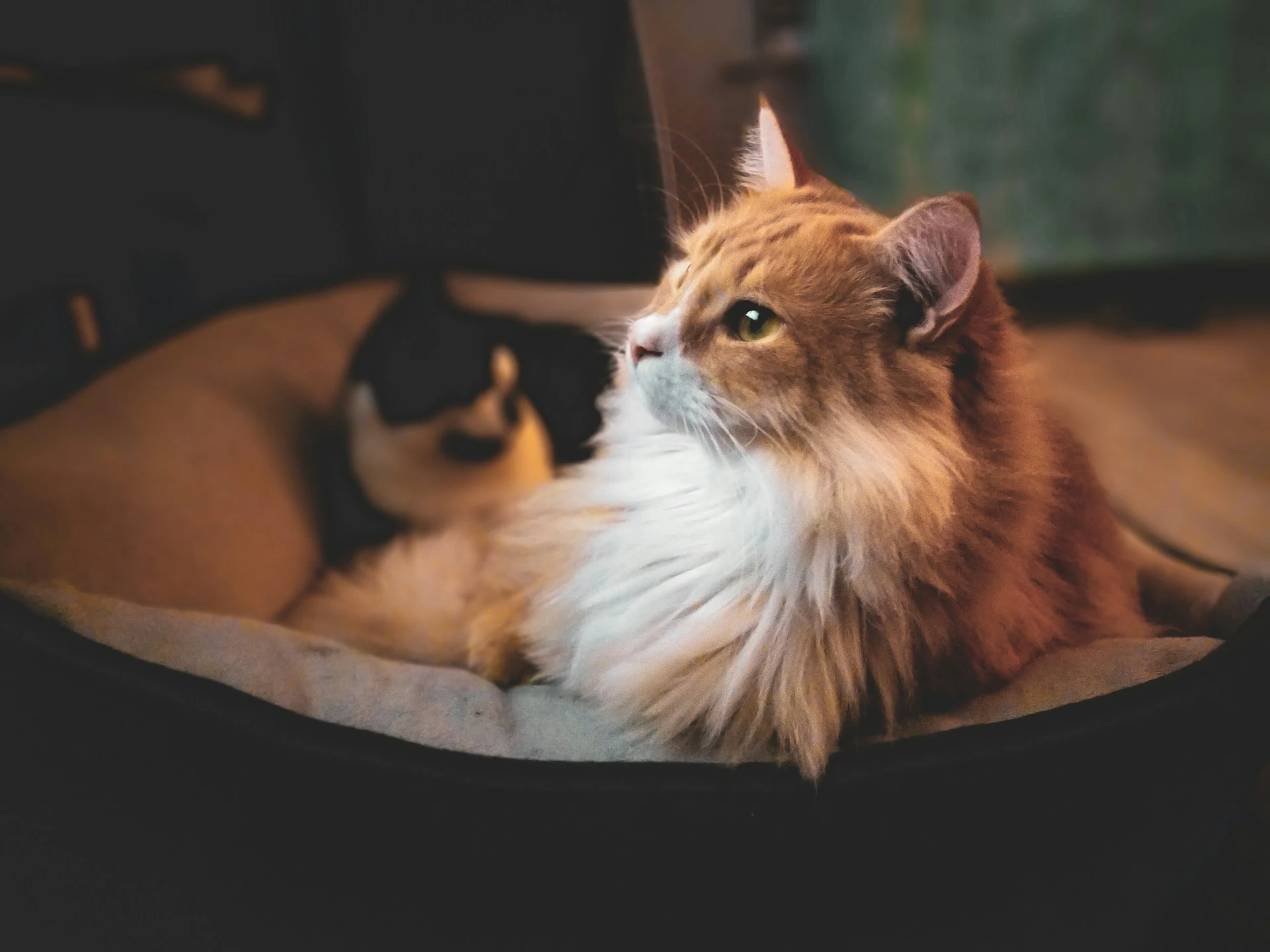
Preventing and Managing Hairballs in Cats

Puppy Training Basics for a Well-Behaved Dog
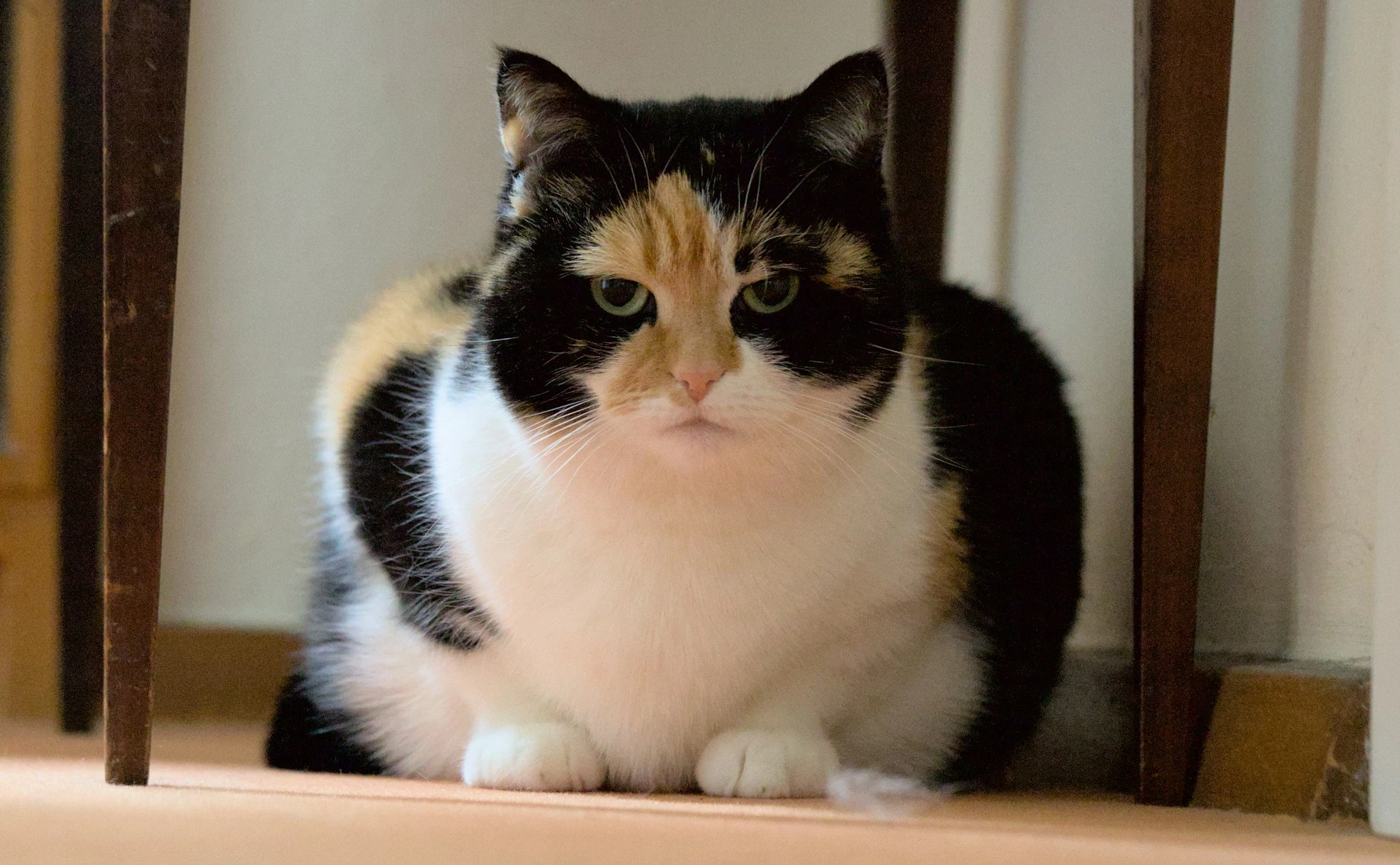
Feline Obesity Risks and How to Keep Cats Healthy

Dental Care for Puppies: Start Healthy Habits Early

Why Indoor Cats Still Need Vaccinations

Solving Common Litter Box Problems in Cats

Understanding Arthritis and Mobility Loss in Dogs
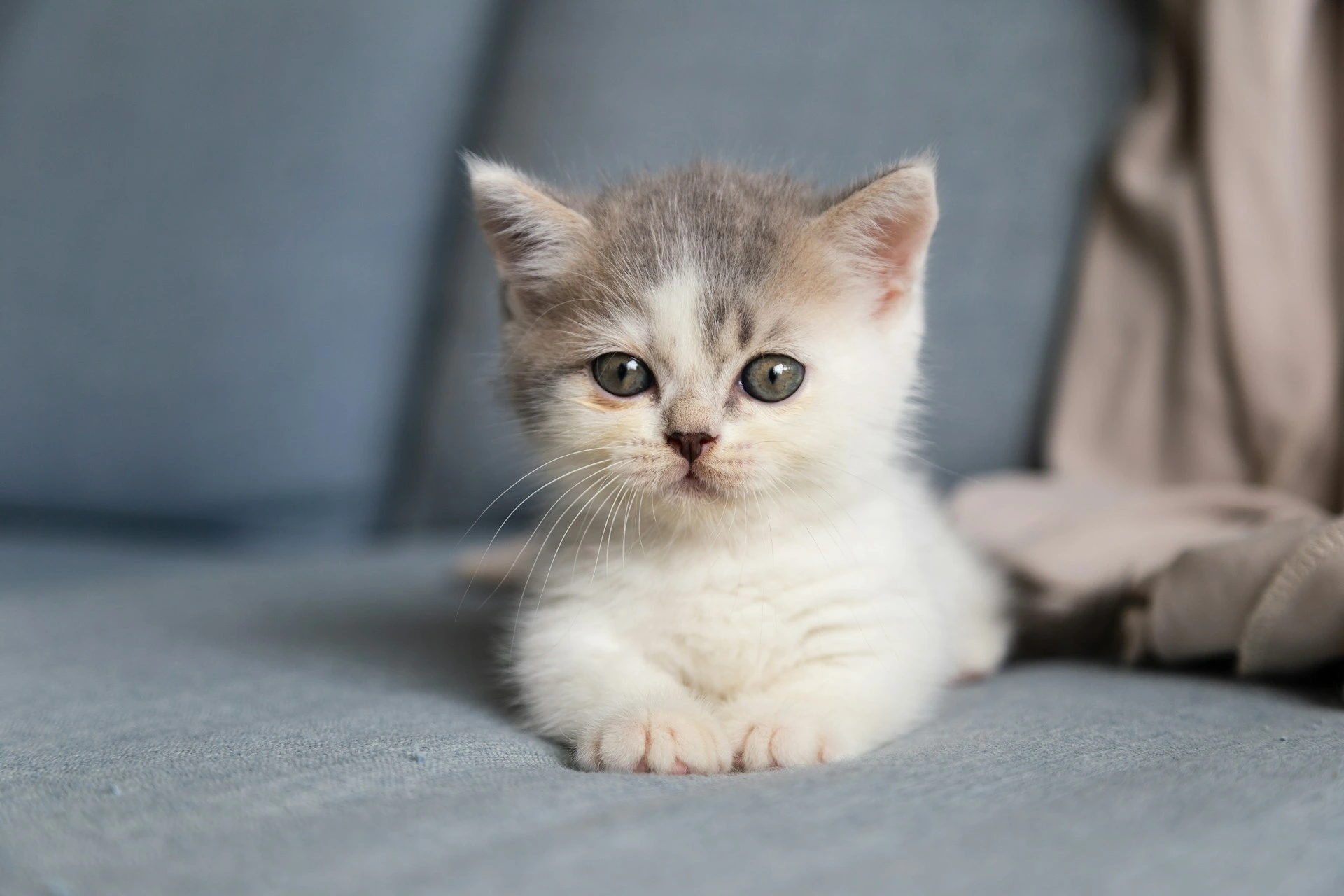
Kitten Nutrition Tips for Growth and Development

How to Curb Jumping Up in Overexcited Puppies

!Social Icons