
Header Logo
Preventing and Managing Hairballs in Cats
Helping Cats Stay Comfortable in Ellicott City, MD
At Claws N Paws Animal Hospital, your Ellicott City, MD, pet clinic, we know that hairballs are one of the most common complaints from cat owners. Finding cat hair on the furniture may be expected, but cleaning up hairballs is far less fun. While occasional hairballs are normal, frequent or difficult ones can indicate a bigger issue. Knowing how to prevent and manage them helps keep your feline friend healthy and happy.
Hairballs occur when cats groom themselves and swallow loose fur. Most of the time, this hair passes through the digestive tract without a problem. Sometimes, though, fur accumulates in the stomach and is expelled as a hairball. Although it may seem unpleasant, hairballs are a natural part of cat life. Still, there are steps you can take to reduce their frequency and support Fluffy’s digestive health.
Why Cats Get Hairballs
Cats spend 30–50% of their day grooming themselves, which means they swallow a lot of fur. Long-haired breeds like Persians or Maine Coons are especially prone. Seasonal shedding, poor grooming habits, or underlying skin conditions may also increase the amount of hair your kitty ingests.
Read more about hairballs at the WebMD website here. Purina also has a piece on kitty hairballs, which is here.
Signs That Hairballs May Be a Concern
An occasional hairball is usually not a problem. However, frequent or difficult hairballs may cause:
- Persistent coughing or gagging
- Loss of appetite
- Constipation or diarrhea
- Lethargy
- Vomiting without producing a hairball
If you notice these symptoms, it’s time for a veterinary exam at our animal hospital in Ellicott City, MD.
Prevention Strategies for Hairballs
Regular Grooming
Brushing your feline companion helps remove loose hair before it’s swallowed. Short-haired cats may need brushing once or twice a week, while long-haired breeds often need daily grooming. Grooming gloves, slicker brushes, and wide-tooth combs can make a big difference. Many cats even enjoy grooming sessions when started early in life.
Specialized Diets
Certain diets are formulated to improve coat health and support digestion, reducing the buildup of hairballs. These often contain added fiber or natural lubricants that help hair move through the digestive tract. Our veterinarians can recommend nutritional plans tailored to your kitty’s needs.
Hydration
Cats that drink more water have healthier digestion. Provide multiple water bowls, add water to food, or consider a cat fountain to encourage drinking. Proper hydration supports smoother digestion and reduces constipation related to hairballs.
Environmental Enrichment
Reducing stress can lower over-grooming behaviors that contribute to hairballs. Provide scratching posts, climbing trees, puzzle toys, and quiet resting areas to keep your feline pal relaxed. Stress management plays a bigger role in hairball prevention than many owners realize.
Regular Veterinary Visits
Routine checkups allow our veterinarians in Ellicott City, MD to catch underlying issues like allergies, parasites, or skin problems that can increase shedding and grooming.
Complications from Untreated Hairballs
While most hairballs are harmless, untreated issues may lead to:
- Intestinal blockages: A clump of fur may become lodged in the stomach or intestines, requiring surgery.
- Chronic vomiting: Frequent irritation of the stomach lining can cause repeated vomiting.
- Esophageal irritation: Straining to expel hairballs can inflame the throat.
- Nutritional problems: If your kitty eats less due to discomfort, they may lose weight.
Catching these problems early at our veterinary clinic prevents more serious health risks.
Case Examples
- Mittens the Maine Coon: As a long-haired breed, Mittens struggled with hairballs several times a week. With daily brushing and a hairball-control diet, her episodes reduced dramatically.
- Shadow the short-haired cat: Though not as fluffy, Shadow developed frequent vomiting. A veterinary exam revealed allergies that caused excessive grooming. Treating the allergies improved his coat and reduced hairball problems.
These cases highlight how different cats need tailored prevention strategies.
Fun Fact: Cat Tongues
A cat’s tongue is covered in tiny backward-facing barbs, called papillae, which act like a comb during grooming. These structures help keep fur clean but also lead to swallowed hair.
This topic was covered in detail in a past blog—click here for our older hairball blog.
FAQ
How often are hairballs normal?
Most cats may cough up a hairball once every week or two. More frequent episodes may signal a problem.
Can kittens get hairballs?
It’s less common in kittens since they don’t groom as vigorously, but it can happen as they grow.
Do short-haired cats get hairballs too?
Yes. While long-haired breeds are more prone, short-haired cats can also experience them.
Should I be worried if my cat vomits frequently?
Yes. Frequent vomiting may mean there is an underlying issue beyond hairballs. Contact your veterinarian for an exam.
How can I reduce shedding at home?
Brushing, proper nutrition, and keeping your home stress-free can all help reduce shedding and hairballs.
Can stress really cause hairballs?
Indirectly, yes. Stressed cats often groom excessively, leading to more swallowed fur and an increased risk of hairballs.
What if my cat refuses to be brushed?
Start slowly with short grooming sessions, use gentle brushes, and reward with treats. Some cats may need professional grooming assistance.
Are there warning signs of a blockage?
Yes. Loss of appetite, repeated vomiting, lethargy, and straining in the litter box may indicate a blockage. Seek immediate veterinary care.
Is hairball medication safe?
Some hairball gels and remedies are safe, but it’s best to consult your veterinarian before use.
Visit Our Ellicott City, MD Veterinary Clinic for Cat Digestive Care
Are you searching for a “vet near me” to help with your cat’s hairball troubles? At Claws N Paws Animal Hospital, our veterinarians in Ellicott City, MD are here to support your kitty’s digestive health. From grooming guidance to nutritional advice, our veterinary clinic provides complete care for your feline companion. Call us today to schedule an appointment.
Click here to visit our Service page, and learn more about our clinic and the animals we treat.
This blog is intended for informational purposes only. Always consult your veterinarian for diagnosis, treatment, or medical advice tailored to your pet.
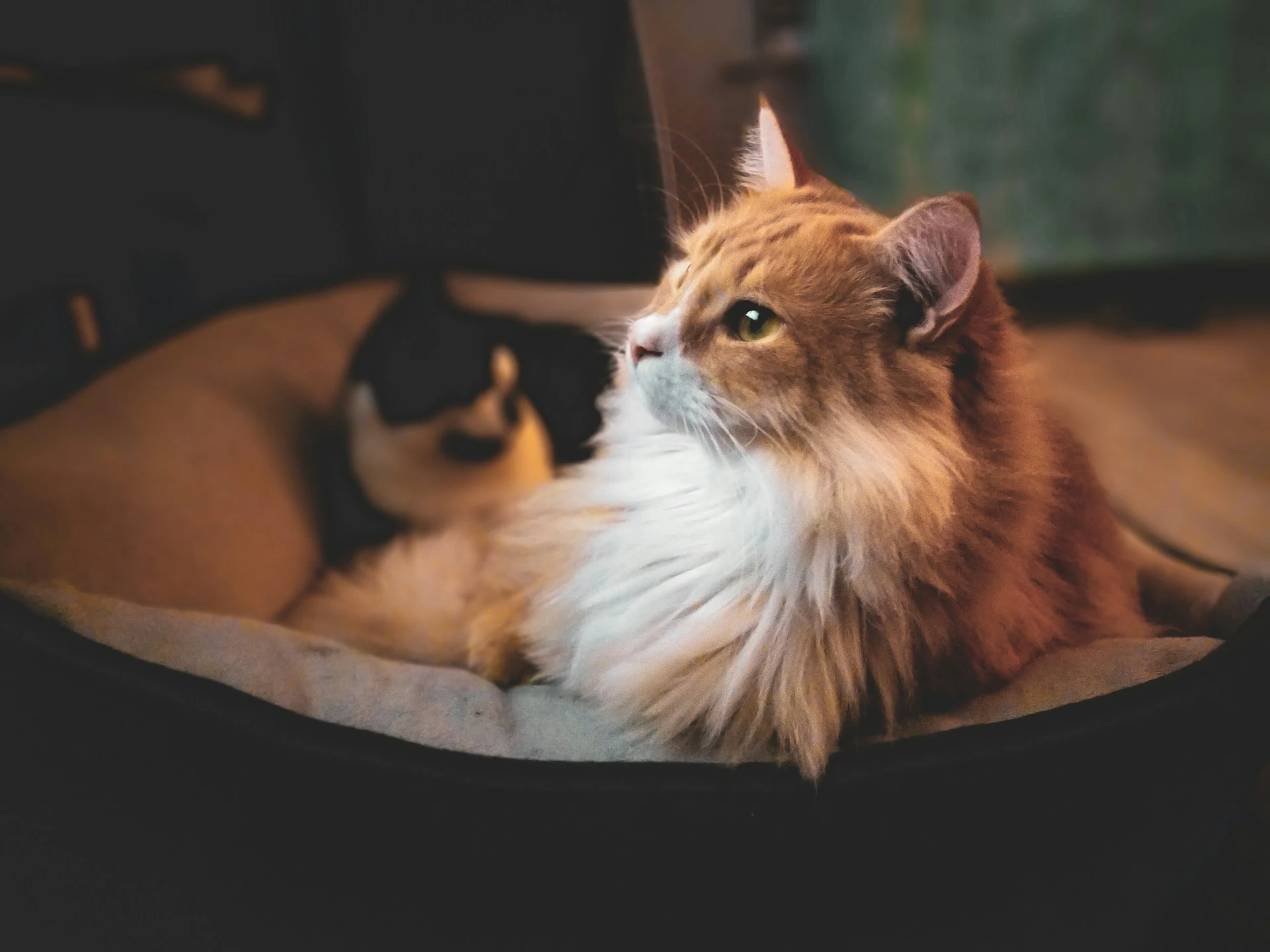
Preventing and Managing Hairballs in Cats

Puppy Training Basics for a Well-Behaved Dog
Feline Obesity Risks and How to Keep Cats Healthy

Dental Care for Puppies: Start Healthy Habits Early

Why Indoor Cats Still Need Vaccinations

Solving Common Litter Box Problems in Cats
Understanding Arthritis and Mobility Loss in Dogs
Kitten Nutrition Tips for Growth and Development

How to Curb Jumping Up in Overexcited Puppies

!Social Icons