
Header Logo
Puppy Training Basics for a Well-Behaved Dog
Puppy Training in Ellicott City, MD
Few things bring more joy than a bouncy, tail-wagging puppy. We love meeting new clients, and few are more joyful than puppies. However, without training, little Fido’s charm may soon sour: that puppy excitement can quickly turn into chewed shoes, constant barking, and accidents in the house. At Claws N Paws Animal Hospital, our veterinarians in Ellicott City, MD regularly guide families through the ups and downs of puppyhood. Training is about more than teaching tricks—it’s about building communication, trust, and life-long good habits.
Puppies are like little sponges during their first year, absorbing everything around them. This means that consistency, patience, and positive reinforcement play a crucial role in shaping your fourlegged buddy into a polite, confident, and happy companion. The earlier you begin, the easier it is to prevent unwanted habits and encourage healthy ones.
Training Stages by Age
8–12 Weeks: Building Foundations
At this stage, your pup is learning about the world. Focus on house training, crate training, and very simple commands like “Sit” or “Come.” Keep sessions short, about 5 minutes, as puppies tire easily. Socialization is especially important—introduce your pup to different people, surfaces, sounds, and gentle dogs.
3–6 Months: Expanding Skills
During this period, puppies become more curious and independent. Continue reinforcing house and crate training while adding commands like “stay,” “leave it,” and leash walking. Consistency matters most here—rules should be the same for everyone in the household.
6–12 Months: Adolescence
Teenage pups may test limits. Training might feel like a step backward, but don’t give up. Keep practicing established commands and add more advanced skills. Providing both mental and physical exercise helps prevent boredom-driven mischief.
House Training Basics
Establishing a potty routine is one of the first and most important lessons. Take your pup outside after meals, naps, and play sessions. Praise and reward immediately after success. Accidents will happen—stay calm and clean thoroughly with an enzymatic cleaner to prevent repeat marking.
Crate Training for Safety and Structure
A crate is not a punishment; it’s a den-like safe space. Start by placing treats or toys inside with the door open. Gradually extend the time your puppy spends inside, always pairing it with positive experiences. Crates aid house training and provide security when you cannot supervise your pup.
Puppyproofing is also crucial. You’ll find some great advice on puppyproofing on the AKC website here.
Positive Reinforcement Techniques
Clicker Training
A clicker paired with treats marks the exact moment your pup does the right thing. This helps your pup understand faster which behavior earns a reward.
Rewards That Work
While treats are great motivators, praise, toys, and playtime are equally powerful. Learn what motivates your canine companion most.
Redirection
When your pup starts an unwanted behavior, redirect them to a positive one. For example, if they chew on furniture, give them an appropriate chew toy instead. Playing can be great for this, as long as you time it right. Click here for our link on playing with Fido.
Common Puppy Problem Behaviors
Chewing
Puppies explore with their mouths, and teething makes chewing inevitable. Provide plenty of safe chew toys, and rotate them to keep things interesting.
Biting and Nipping
Play biting is normal, but it needs to be managed. Redirect bites to toys and stop play briefly if nipping continues.
Barking
Excessive barking can develop if puppies learn it gets attention. Reward calmness and teach cues like “quiet.”
Socialization: Raising a Confident Puppy
Well-socialized puppies grow into well-adjusted dogs. Expose your pup to a variety of safe environments, including car rides, sidewalks, parks, and pet-friendly stores. Arrange controlled interactions with children, adults, and other vaccinated dogs. Positive exposure now prevents fear or aggression later in life.
The Royal Society For The Prevention Of Cruelty To Animals also has a good article on puppy care here.
Benefits of Early Training
- Builds trust and strengthens the bond between you and your pup.
- Reduces behavior problems as your puppy matures.
- Provides mental enrichment along with physical activity.
- Sets your pup up for success at the vet, groomer, or boarding facility.
Fun Fact: Puppy Learning Window
Did you know puppies have a “critical learning window” between 8 and 16 weeks of age? This is when they are most receptive to new experiences. Don’t underestimate the importance of this! Proper socialization shapes your pet’s personality and confidence for life!
FAQ
When should I start training my puppy?
Training should begin as soon as you bring your pup home, typically around 8 weeks of age.
How long should training sessions be?
Short sessions of 5–10 minutes are best for young pups. As they grow, you can gradually extend the time.
Should I use punishment when training?
No. Harsh corrections can damage trust. Positive reinforcement is far more effective and builds a better bond.
Can I train my puppy without a professional?
Yes, many owners successfully train at home, but professional trainers can help with stubborn behaviors or advanced skills.
Is crate training necessary?
While not mandatory, crate training is highly recommended for safety, house training, and giving your pup a personal safe space.
How do I stop my puppy from jumping on people?
Teach an alternate behavior like “sit” for greetings. Reward calmness and ignore jumping.
What if my puppy doesn’t listen outside?
Distractions are stronger outdoors. Start training in a quiet space and gradually increase difficulty with more distractions.cx
Visit Our Ellicott City, MD Veterinary Clinic for Puppy Training Guidance
Are you looking for a “vet near me” to support your puppy’s training journey? At Claws N Paws Animal Hospital, our veterinarians in Ellicott City, MD provide advice on puppy care, training basics, and wellness. Call our veterinary clinic today to schedule your pup’s first appointment and set them on the path to becoming a well-mannered adult dog.
This blog is intended for informational purposes only. Always consult your veterinarian for training and care recommendations tailored to your puppy.
Click here to visit our Service page, and learn more about our clinic and the animals we treat.

Preventing and Managing Hairballs in Cats
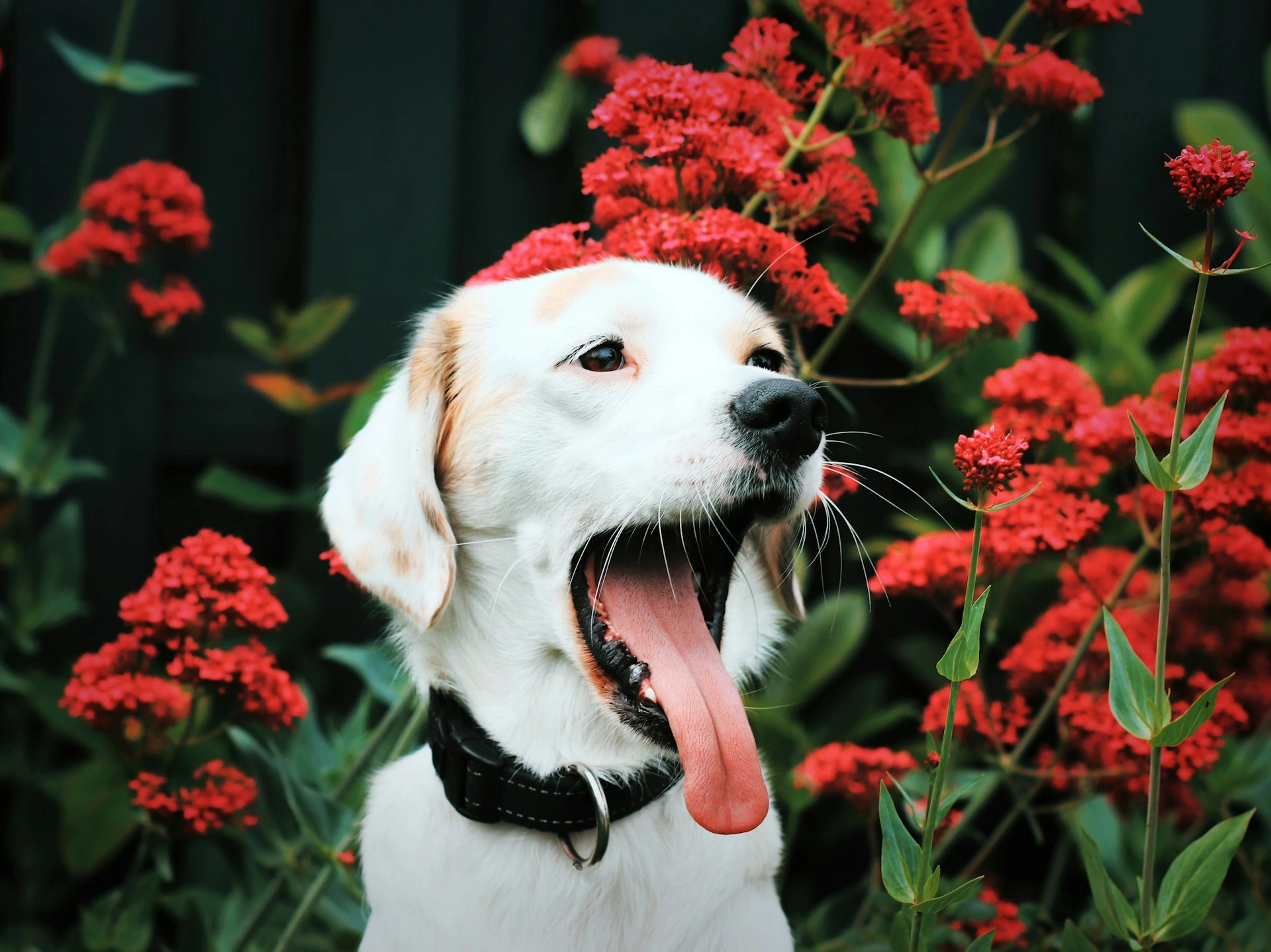
Puppy Training Basics for a Well-Behaved Dog
Feline Obesity Risks and How to Keep Cats Healthy
Dental Care for Puppies: Start Healthy Habits Early

Why Indoor Cats Still Need Vaccinations

Solving Common Litter Box Problems in Cats
Understanding Arthritis and Mobility Loss in Dogs

Kitten Nutrition Tips for Growth and Development
How to Curb Jumping Up in Overexcited Puppies
!Social Icons